

If you've ever heated a house with a woodstove, you know it doesn't go from roaring to cold overnight. It starts strong. Then it needs more wood than you planned. Then the ash piles up, and one chilly morning you open the door and realise the fire has gone out. The stages of burnout can develop in a similar way.
Burnout doesn't always happen suddenly. You might take on more responsibilities, put off taking breaks, and tell yourself you'll slow down once things settle. Then the weeks pass, and you're still running on empty.
I want to look at how these stages can develop, what changes you might notice, and what could help at different points. I'll also share some of the things I pay attention to in my work as a nurse and Registered Psychotherapist (Qualifying).
A Quick Map of the Stages of Burnout
Burnout is commonly associated with prolonged workplace stress that hasn't been successfully managed. The World Health Organization describes it through three main features: exhaustion, increased mental distance or negativity towards work, and reduced professional effectiveness.
There are also different models that describe how burnout can develop. One five-stage framework includes the honeymoon stage, onset of stress, chronic stress, burnout, and habitual burnout. It offers one way to think about changing stress levels, but these stages aren't a formal diagnosis or a clinical checklist.
A couple of things are worth keeping in mind. Not everyone experiences these stages in the same order, and you might recognise parts of several stages at once.
You can also experience prolonged stress and exhaustion outside work. Parenting, caregiving, school, and running a farm can all bring ongoing demands. Although these experiences aren't necessarily occupational burnout, they can still affect how you feel and function.
Stage 1: The Honeymoon
This is the beginning, when everything feels manageable. You feel energized, useful, and ready to take on something new. You say yes to the extra project, the extra shift, and the extra responsibility because you have the energy to do it.
Of all the stages of burnout, this one can be difficult to recognise because nothing necessarily feels wrong. You might skip lunch, struggle to make time for a proper day off, or believe you can keep this pace indefinitely.
What helps: Pay attention to your limits even when you feel good. Pick a stopping time. Make room for meals and breaks. Notice how much you're agreeing to and whether your schedule leaves any time for yourself. You don't have to wait until you're exhausted to make changes.
Stage 2: Onset of Stress
The excitement starts to wear off. Things that once felt manageable begin taking more effort. You might notice that you're becoming impatient, finding it harder to concentrate, or feeling more tired than usual.
As a nurse, I pay attention to physical changes that can accompany prolonged stress. You might notice changes in your sleep, muscle tension, headaches, or digestive discomfort. These experiences can have different causes, but when several changes start appearing together, it's worth paying attention.
What helps: Treat these changes as information rather than something to push through. Start with one small boundary this week. If saying no feels hard with the people closest to you, my post on how to set healthy boundaries in relationships has a cow in it, and she makes the point better than I can.
Stage 3: Chronic Stress
This is where stress can start feeling like part of everyday life. You're still getting things done, but it takes more effort than it used to. Taking a break doesn't necessarily leave you feeling refreshed, and you might find yourself thinking about responsibilities even when you're supposed to be resting.
You may also notice changes in your concentration, patience, sleep, and relationships. Things you normally enjoy might start feeling like another item on your to-do list. These changes are worth taking seriously, particularly when they're continuing over time.
What helps: Look at what is keeping you under pressure. Is there a responsibility you can share? Are you taking on more than you have time for? Can you make room for activities that aren't connected to work or other obligations?
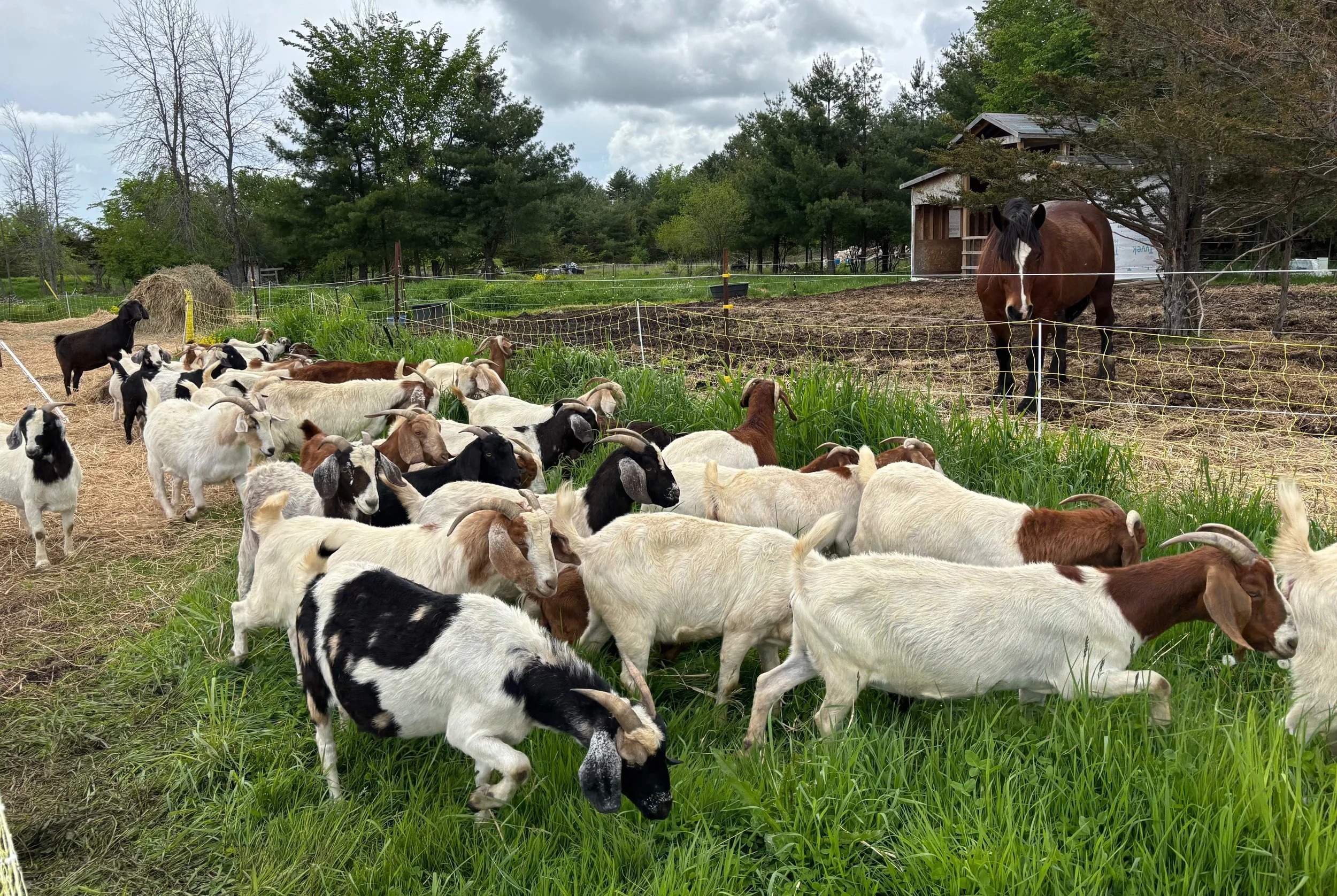
Spending time outdoors or around animals may also give you an opportunity to step away from everyday demands. This is one reason I offer ecotherapy on the farm. Sometimes a plain walk without your phone is a good place to start.
Stage 4: Burnout
You have the matches. You have the wood. Nothing catches.
At this point, exhaustion can become difficult to manage. Everyday tasks may feel overwhelming, and you might struggle to find the motivation you once had. You may feel disconnected from your work or other responsibilities and question whether you can keep going at the same pace.
The nurse in me always says: book a check-up at this point. Low iron, thyroid problems, sleep issues, and depression can involve symptoms that overlap with what people describe as burnout. These concerns can also occur alongside prolonged stress. A visit to your doctor can help check for other possible causes.
What helps: Start by looking at what can realistically be reduced or shared. You may need more support with everyday responsibilities, not another list of things you should be doing. Make room for rest, ask for help, and give yourself time to work out what needs to change. Gentle movement and time outside may also help you take a break from ongoing demands.
Stage 5: Habitual Burnout
After months of feeling exhausted, you might stop questioning it. Being tired becomes something you expect from yourself. You might describe yourself as someone who is always overwhelmed, has no energy, or simply can't keep up.
But feeling this way doesn't mean it has to become your normal.
This stage is worth paying attention to because you may have become so accustomed to feeling depleted that you don't recognise how much it's affecting your daily life.
What helps: This stage needs support, not more willpower. Individual therapy gives you a place to explore what has been happening, look at the demands contributing to your stress, and consider changes that may help over time. Your doctor belongs on your team too. And if you ever feel hopeless or think about harming yourself, call or text 988 in Canada right away.
You Can Move Backwards Too
Here's something important to remember. The stages of burnout aren't a fixed progression. You don't have to experience all five, and recognising yourself in one stage doesn't mean you're destined to reach the next one.
Changes to your workload, more support, and time to recover can make a difference. What helps will depend on what's contributing to your stress and how it's affecting your life.
So which stage did you recognise first? Sometimes noticing that something has changed is a useful place to begin.
Recognising When You Need Support
You don't have to wait until you're completely exhausted before asking for help. If ongoing stress is affecting your sleep, relationships, work, or ability to manage everyday responsibilities, it's worth paying attention.
You can start by looking at what's taking up most of your energy and whether there's anything you can change. Sometimes that means setting a boundary. Sometimes it means asking someone to share a responsibility. And sometimes it means having a conversation with a therapist about what has been happening.
If you'd like to explore therapy, reach out to Wandering Willow Psychotherapy. You can meet in person on the farm or online from your couch.
FAQs
-
Think about how your energy, stress, and daily responsibilities have changed. Are you taking on more than you can manage? Are you finding it harder to rest? Do everyday tasks feel overwhelming? These experiences may help you recognise some of the patterns described in the five-stage framework. The stages can overlap, so you don't need to fit neatly into one category.
-
Early changes can include feeling more tired, having difficulty switching off from work, becoming more irritable, or noticing changes in your sleep and concentration. These experiences can have other causes too, so it's important to consider the wider picture rather than assuming every change means burnout.
-
Burnout is specifically associated with chronic workplace stress. However, prolonged stress and exhaustion can also affect people who are parenting, caregiving, studying, or managing demanding responsibilities at home. These experiences can still affect your well-being and may be worth discussing with a professional.
-
You don't have to wait until you're completely exhausted to make changes. Looking at your responsibilities, making room for rest, setting boundaries, and asking for support can help address ongoing stress. What you need will depend on your circumstances and how much your daily life is being affected.
-
Yes. Wandering Willow offers virtual sessions anywhere in Ontario. In person, sessions happen outdoors on the farm near Newburgh, about 30 to 40 minutes from Kingston.