

The Therapist Behind the Practice
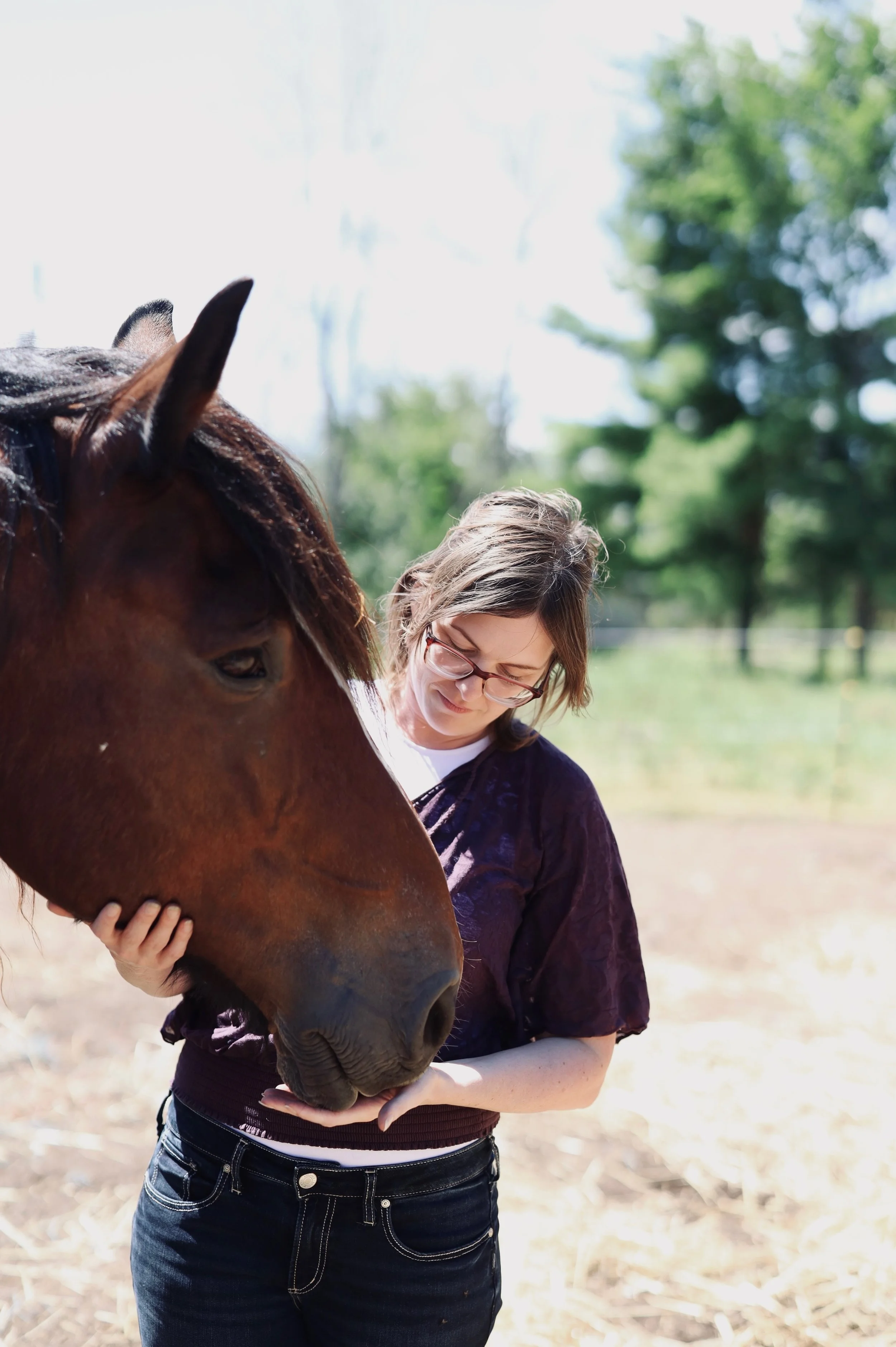
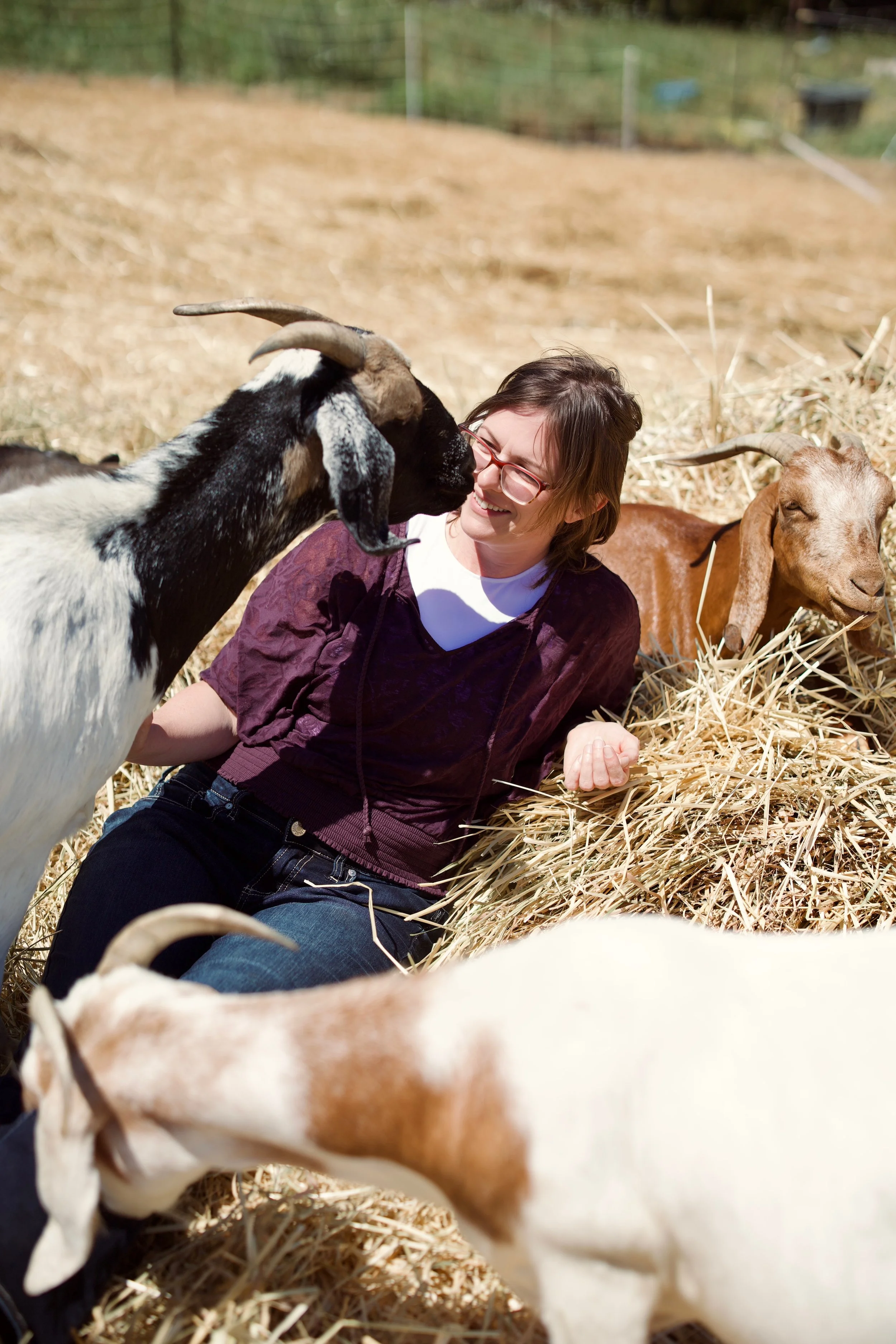
Hi, I’m Cait
Therapist. Nurse. Human being.
I grew up in a home full of foster kids.
From the time I was about twelve, I was a third parent — the responsibilities were real, the support was not. Some of those kids eventually became my adopted brothers. Complex trauma, FAS, ADHD, ODD. I understood these things before I had clinical language for them because I was living alongside them every day.
I'm telling you this because it matters for how I work.
I know what it looks like when a system fails the people doing the actual work. I know what it feels like to carry too much with no support coming from above.
I'm a Registered Psychotherapist (Qualifying) and a Registered Practical Nurse. Because I'm also a nurse, I understand how stress shows up in the body — not just psychologically but physically, in ways most therapists aren't trained to see.
Something I learned in nursing school stayed with me.
A professor described the art of knowing the way experienced nurses use all their senses, not just their training. A nurse who walked into a parking lot and knew, just from watching someone get out of their car, that they were having a heart attack. She met him with a wheelchair before he said a word.
That landed because it was the first time someone put words to something I'd been doing my whole life.
I hear “you’ve hit the nail on the head” probably at least once a day.
How I Actually Work
Talk is cheap.
Understanding your patterns matters. But understanding them and changing them are two completely different things. I'm a behaviourist at heart I care about what actually shifts in your body, your relationships, and how you move through the world. Not just what you understand about yourself.
This work is body-based. You can talk about something endlessly. But if your nervous system is still bracing and your body goes into fight-or-flight before your brain catches up, we haven't changed anything yet.
I work best with people who are ready to do the scary thing — because they're more tired of where they are than they are afraid of where they're going.
If that sounds too direct — I'm probably not the right fit. And that's fine.
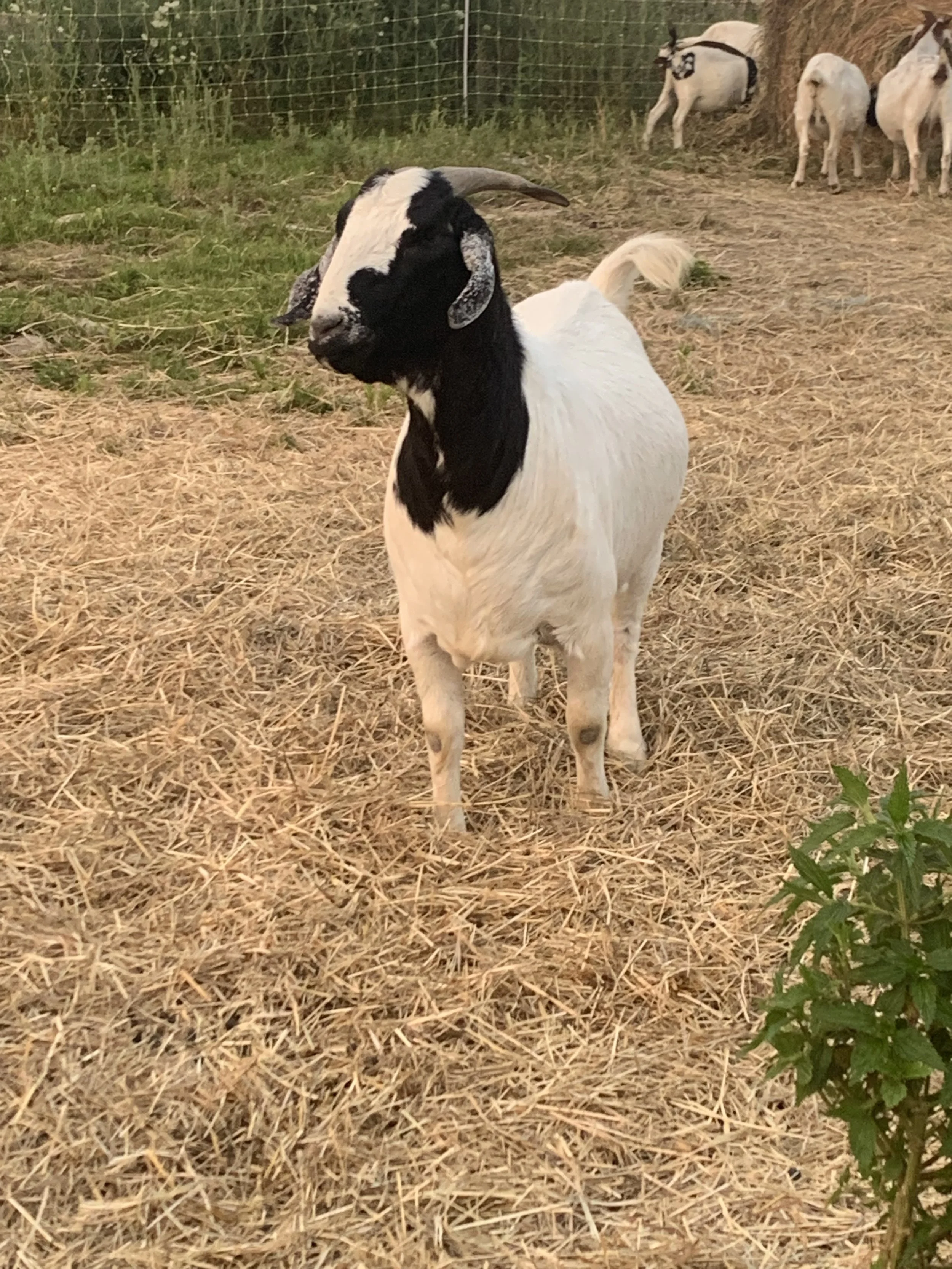
Willow isn't just a goat — she's the reason this practice is called what it is.
Born with a defective ear and rejected by her mother, Willow had a rough start. With care, patience, and connection, she didn't just survive; she thrived.
She reminds me that healing doesn't mean becoming perfectly calm, compliant, or agreeable. Willow is affectionate, stubborn, and occasionally communicates her needs by head-butting her goat peers. Not ideal but understandable. And still very loved.
Therapy here makes room for all parts of you. Including the ones that learned imperfect ways to survive.
The Heart Behind the Practice
How I think about this work
I've spent over ten years working with animals and raising goats.
You learn quickly that you cannot force change. You can create the conditions for it. You can be patient. You can remove what's in the way. But the animal has to want to move.
Therapy is the same.
I don't believe in should. I believe in what's true, what's driving the pattern, and what it would actually take to change it.
That's what we work on here.