

Teen Therapy
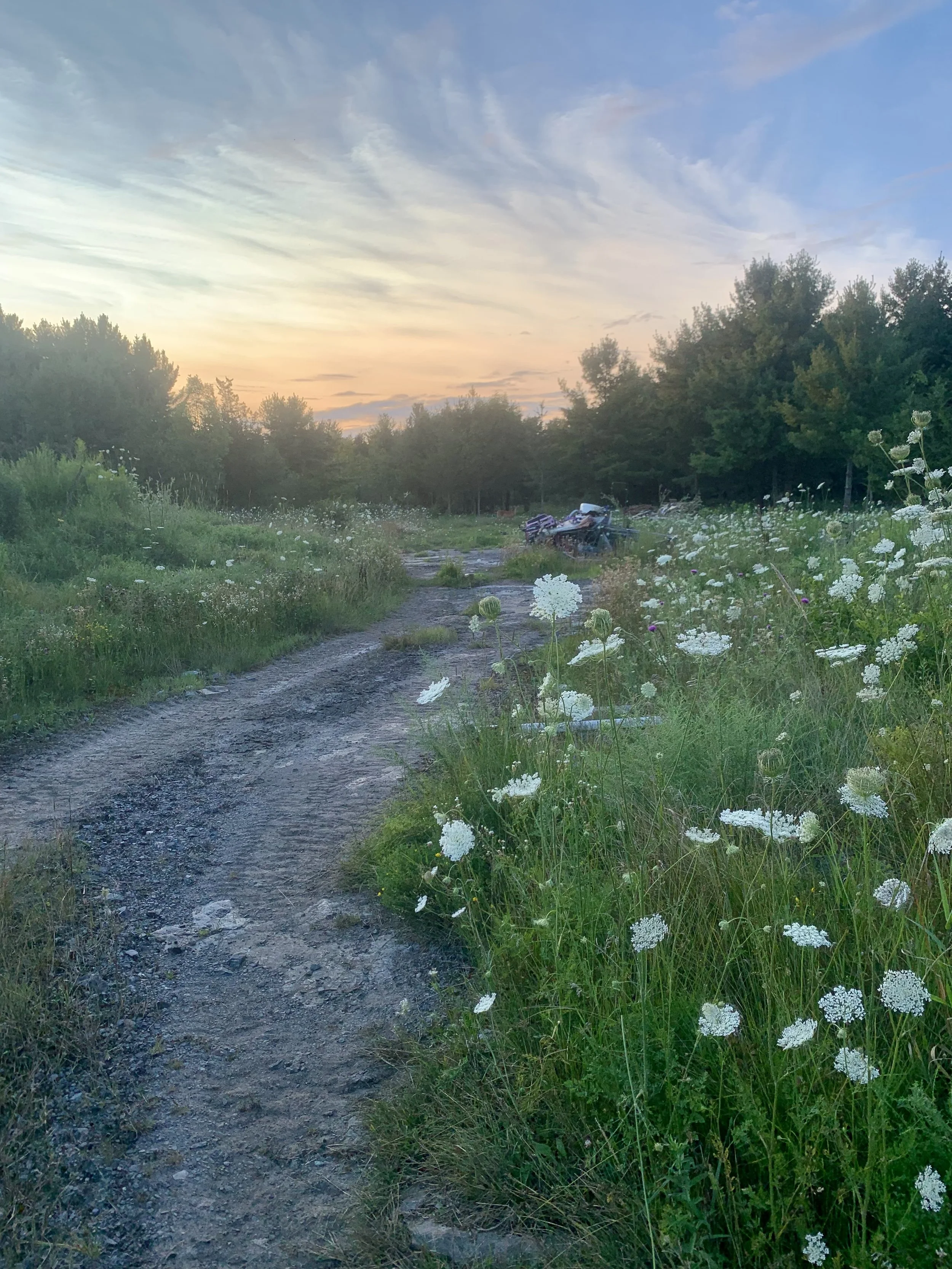
For ages 12–18 | Virtual across Ontario & in-person on the farm near Kingston
If you're a teen reading this:
"Everyone has an opinion about what I should be doing differently."
"I'm so tired and I don't even know why anymore."
"I feel everything so intensely, and I don't know what to do with it."
"I'm not okay but I don't know how to say that."
"I just want someone to actually listen — not fix me."
As a parent of a teen, you may be thinking:
"I can see something is wrong and I don't know how to reach them."
"Everything I say makes it worse."
"I'm scared. I just want my kid to be okay."
"We used to be close. I don't know what happened."
"I don't want to push them further away by forcing this."
Both of those things can be true at the same time. And both of you deserve support in figuring out what comes next; That’s where therapy can come in.
Why Teens Benefit From Therapy
When a teen is struggling, it rarely stays contained to one person.
It moves through the whole house.
Parents feel it. Siblings feel it. The teen feels the weight of everyone feeling it — and often carries guilt or shame on top of everything else they're already managing.
This isn't about blame. It's about how emotions work.
When someone in a family is overwhelmed, disconnected, or dysregulated — everyone around them is affected. And when everyone is reacting to each other, the cycle gets harder to break from the inside.
Therapy here looks at that whole picture.
Not just what's happening with your teen — but what's happening between people, and what everyone needs in order to feel less alone in it.
What Teen Therapy Can Help
A lot of teens who come here have been labelled somewhere along the way.
Difficult. Sensitive. Unmotivated. Too much. Shut down.
Usually those labels are someone else's attempt to make sense of behaviour that looks confusing from the outside — but makes complete sense once you understand what's underneath it.
What's underneath it is usually this:
A nervous system that has been under pressure for a long time, in a world that doesn't slow down, surrounded by people who are also under pressure, without anyone ever really teaching them what to do with what they feel.
That's not a character flaw.
That's a skill gap that can be learned. And nobody taught them these skills — so the problem was never actually theirs.
What this might looks like:
Exhausted no matter how much sleep they get
Irritable, reactive, or emotionally unpredictable
Withdrawn from family, friends, or things they used to love
Anxious about school, social situations, or the future
Struggling to identify or name what they're actually feeling
Carrying the weight of other people's emotions on top of their own
Feeling misunderstood — by adults, peers, or both
Going through the motions but feeling disconnected from it all


What this therapy actually focuses on
Most teens have been told what to feel. Almost none of them have been shown how to work with what they actually feel. There's a difference — and that difference is where this work lives.
They've been told to calm down, cheer up, or think positively.
They haven't been shown how.
This work focuses on building the kind of emotional awareness that actually changes things — not just in therapy, but in relationships, at school, and at home.
That includes:
✓ Understanding what they're feeling and why — without judgment
✓ Learning what their nervous system is doing and how to work with it
✓ Building the ability to regulate without shutting down or exploding
✓ Developing language for emotions that helps them feel heard
✓ Understanding how their emotions affect the people around them — and how others' emotions affect them
✓ Finding steadier ground that doesn't depend on everything going right
This isn't about turning teens into perfectly calm, agreeable people.
It's about giving them tools they'll use for the rest of their lives.
-
If a parent sent you this link — you don't have to want this for it to be worth trying.
You just have to be willing to show up once and see how it feels.
This isn't a space where someone is going to tell you what you're doing wrong or give you a list of things to fix. It's not going to feel like being called to the principal's office.
What it will feel like is a conversation with someone who isn't going to take sides, isn't going to report back everything you say, and genuinely isn't interested in making you into someone you're not.
You get to decide what you talk about.
You get to go at your own pace.
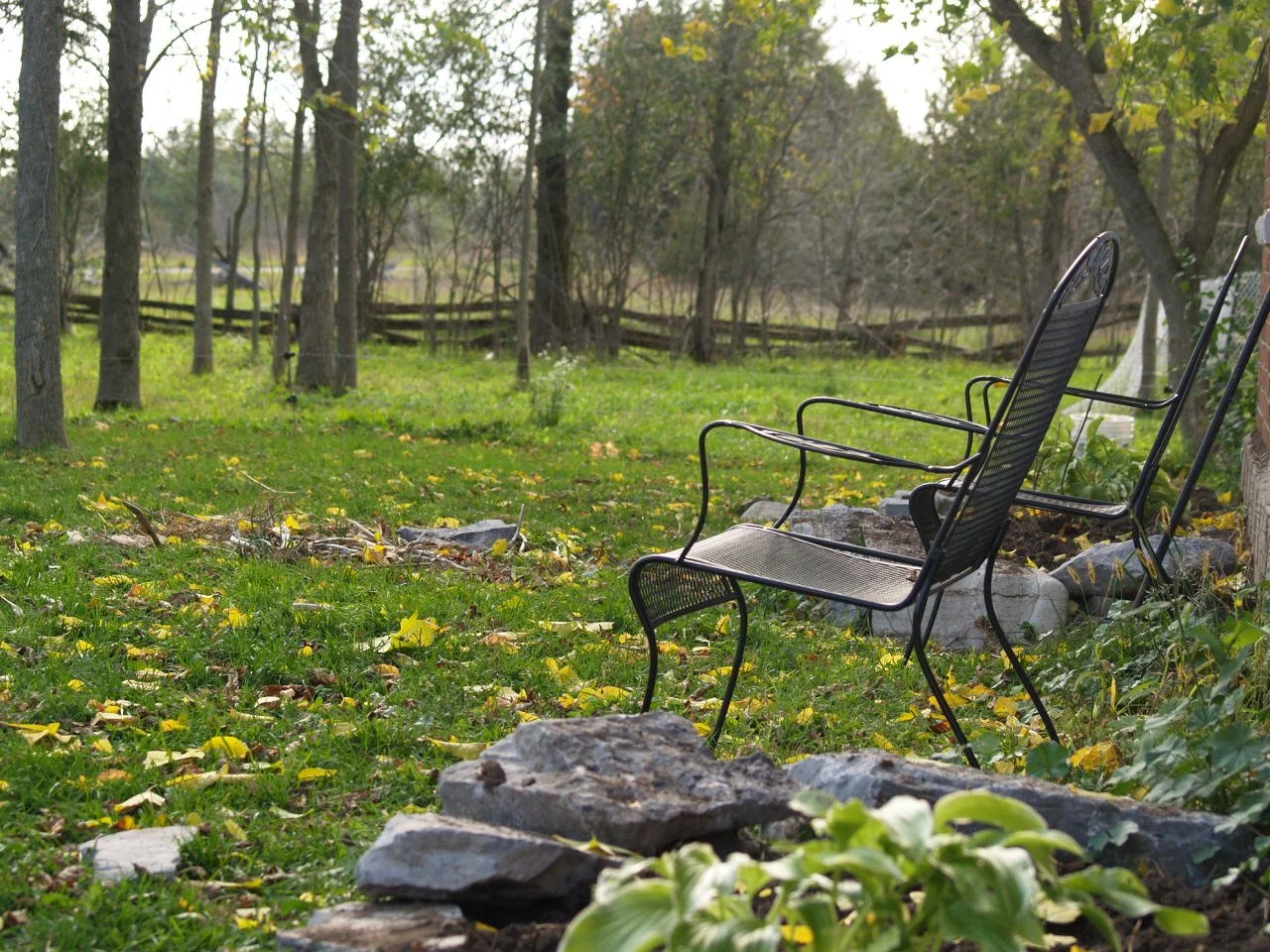
And if you want to do sessions on a farm surrounded by goats who have absolutely no opinion about your life choices — that's an option too.
-
In Ontario, there is no fixed age of consent for therapy. What matters is whether your teen has the capacity to understand what therapy involves and make an informed decision about it.
For many teens, that capacity is present well before 18. I assess this at the start of our work together, and we'll figure out together what parental involvement looks like for your family.
That means your teen would be deciding to engage in therapy, which is actually a good thing. Teens who choose therapy tend to get more from it than those who are forced into it.
Your role in this process matters too. You don't have to be in every session — but understanding what your teen is working through, and having space to talk about your own experience of this, can make a real difference to how things shift at home.
This doesn't have to be something that happens to your family.
It can be something you move through together — even if you're in different rooms for part of it
How I work
I'm Cait — a Registered Psychotherapist (Qualifying) and a Registered Practical Nurse who grew up in a house full of foster kids.
I understand complex behaviour, difficult diagnoses, and what it looks like when a teenager is carrying things no teenager should have to carry, because I watched it up close from the time I was twelve. I'm not easily rattled by big emotions or difficult behaviour. I've seen it all, and I'm genuinely not here to judge any of it.
My background as a nurse means I also understand how stress shows up physically, the exhaustion that sleep doesn't fix, the stomach issues, the body that stays tense even when things are calm. For teens especially, these signals are often the first sign that something needs attention.
I don't take sides. I don't have an agenda for who your teen should become. And I believe the labels teenagers collect along the way almost never tell the whole story.
Sessions are available virtually across Ontario or in person on the farm near Kingston, which, for some teens, is the setting that finally makes therapy feel possible.
✓ Virtual sessions across Ontario
✓ In-person farm sessions available near Kingston
✓ Sessions are $180, and Insurance receipts are provided for most extended health plans
✓ Direct billing available for Green Shield Canada
✓ In Ontario, consent to therapy is based on capacity, not age. We'll talk through what that looks like for your family

What is the next step?
If something here resonated for you or for your teen, your first session is just a conversation. No pressure, no agenda, no expectation that anyone has it figured out before they arrive.
-
Not entirely — but some degree of willingness helps. Teens who feel forced into therapy tend to spend the session proving they don't need it. What works better is giving them enough information to make their own choice and enough autonomy to feel like it's theirs.
If your teen is resistant, it's worth having a conversation about what they're worried therapy will be like — and letting them know this isn't that. Sometimes one session is enough for them to decide for themselves. -
Confidentiality is taken seriously here — and for teens, knowing that what they say stays in the room is often what makes it possible for them to say anything at all. The exception is safety. If there is ever a concern about your teen's safety or the safety of others, that changes things and we'd talk about how to handle it together.
Beyond safety, what your teen shares in sessions is theirs. That boundary is part of what makes the work possible. -
Teens in Ontario have the right to consent to their own care — which means the decision to engage in therapy is theirs to make.
Parents don't need to be in every session, but involvement can be valuable depending on what we're working on. We'll figure out together what makes the most sense for your family. -
Sessions are $180. Many extended health plans in Ontario cover Registered Psychotherapy for dependents — it's worth calling your provider to confirm. I provide receipts after every session for reimbursement, and I offer direct billing to Green Shield Canada. When you call your insurer, ask whether your plan covers a Registered Psychotherapist (Qualifying) for a dependent.
-
Yes — and for a lot of teens, this is the setting that finally makes therapy feel approachable. Being outside, away from an office, with animals around tends to change the dynamic in a way that's hard to explain until you experience it. The goats in particular have no agenda and absolutely no judgment, which turns out to be exactly what some people need. Farm sessions are available near Kingston, Ontario.
-
Not every therapist is right for every teen — and I'd rather tell you that upfront than waste your time. I work best with teens who have some willingness to show up, even if they're resistant or unsure. I'm not easily rattled by big emotions or difficult behaviour, but therapy does require some degree of engagement to actually move anything. If you're not sure whether this is a fit, reach out, and we'll figure it out together.
FAQ

Have a question?
If you’re not ready to book yet, you can reach out here.