

How to Set Healthy Boundaries in Relationships (A Lesson From a Pushy Cow)
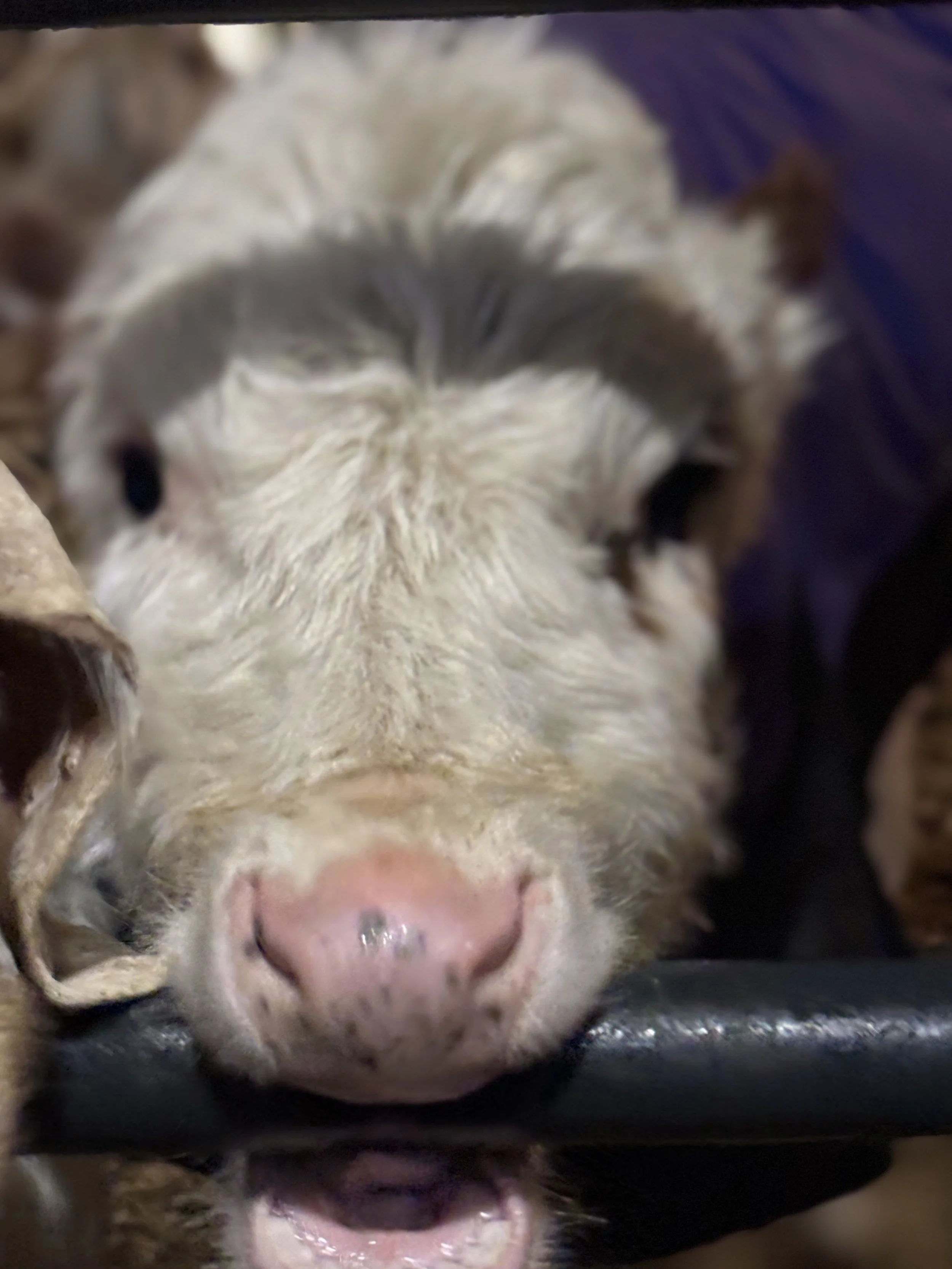
Cinnamon the pushy cow that can teach us boundaries
One of our cows, Cinnamon, is young and very determined.
She has decided that if she nudges someone enough with her nose, eventually milk will appear.
And she is persistent about it.
If you stand near her long enough, she will keep nudging and pushing because somewhere in her learning history that strategy worked.
This is where the lesson about boundaries comes in.
Most people think boundaries mean telling someone else what they need to stop doing.
But that’s actually a rule.
And rules only work if the other person agrees to follow them.
Rules vs Boundaries: An Important Difference
When people struggle with boundaries, they often say things like:
“Can you stop doing that?”
“You need to change this behaviour.”
The problem is that we cannot actually control what someone else does.
Just like I cannot make a rule for Cinnamon that says:
“Cinnamon, please stop nudging people for milk.”
She’s a cow.
That behaviour is part of how she tries to get what she wants.
If I stand there repeating the rule, nothing changes.
In fact, I will probably become more and more frustrated.
This happens in human relationships too.
When we try to control someone else’s behaviour, we often end up increasing our own stress.
What a Healthy Boundary Actually Is
A boundary does not try to control the other person.
Instead, it defines what we will do if the behaviour continues.
With Cinnamon, the boundary is simple.
If she starts nudging and pushing for milk, I step away.
I’m not angry.
I’m not punishing her.
I’m simply removing myself from the situation.
Over time the message becomes clear:
If you keep nudging, the person leaves.
Boundaries Protect Your Peace (And Your Nervous System)
Boundaries help reduce ongoing stress because they create clarity.
Instead of constantly trying to manage someone else’s behaviour, we decide:
• What behaviour we are willing to engage with
• What behaviour we will step away from
This helps protect emotional energy and reduce chronic tension in relationships.
Boundaries Are Also Necessary When Someone Is Hurting You
Sometimes boundaries are not just about preference or comfort.
They are necessary when someone’s behaviour is hurtful, disrespectful, or damaging.
In those cases, a boundary might sound like:
• “I won’t continue this conversation if I’m being yelled at.”
• “If you keep speaking to me that way, I’m going to leave.”
• “I’m not willing to participate in conversations that involve insults.”
• “If this continues, I will need to create more distance.”
Boundaries help protect your well-being when someone else is unable or unwilling to change their behaviour.
The Other Boundary Mistake: Going to Extremes
Sometimes when people first learn about boundaries, they swing to the opposite extreme.
Instead of trying to control the behaviour, they decide:
“I’ll just cut this person out of my life.”
In some situations that may be necessary.
But often boundaries can be much smaller and more practical.
For example:
• “I don’t feel great when we discuss this topic, so I’d rather change the subject.”
• “I’m not available for phone calls after 9pm.”
• “If the conversation becomes heated, I’m going to step away for a bit.”
• “I’m not able to lend money right now.”
A boundary does not always mean ending a relationship.
Often it simply changes how the relationship operates.
A Simple Question to Help You Set Boundaries
When you notice stress or discomfort in a situation, try asking yourself:
What would protect my peace here?
Then communicate that limit clearly and follow through with your action.
Sometimes that action is as simple as stepping away.
Just like we do when Cinnamon starts nudging.
The Quiet Wisdom of Animals
Animals tend to be very clear about their limits.
They do not spend hours explaining them or feeling guilty afterward.
They communicate the boundary and move on.
There is something peaceful about that simplicity.
Sometimes the best lessons about relationships come from standing quietly in a pasture.
Need help?
If you struggle with boundaries, chronic stress, or relationship patterns that leave you feeling overwhelmed, therapy can help you develop skills that protect both your well-being and your relationships.
👉 Book a Free Consultation with Wandering Willow Psychotherapy