

Animal Assisted Therapy on the Farm
Located in Newburgh, ON
When everything feels like too much
"I just need to be somewhere that doesn't feel like a waiting room."
"I feel better outside. I always have."
"I can't slow my brain down no matter what I try."
"I don't want to sit across from someone and talk. It doesn't work for me."
"I need space to actually breathe."
"I know what's wrong. I just can't seem to feel any different."
If any of that landed — this might be exactly what you're looking for.
There’s a reason this feels different
For some people, sitting in an office and talking doesn’t help their system slow down.
You’re still thinking.
Still analyzing.
Still trying to figure everything out.
Even if you want to relax, your body doesn’t always follow.
Some people notice they feel different outside.
More space.
Less pressure.
Easier to breathe and think clearly.
That’s not random.
Your environment affects how your nervous system responds.
What it actually feels like to be here
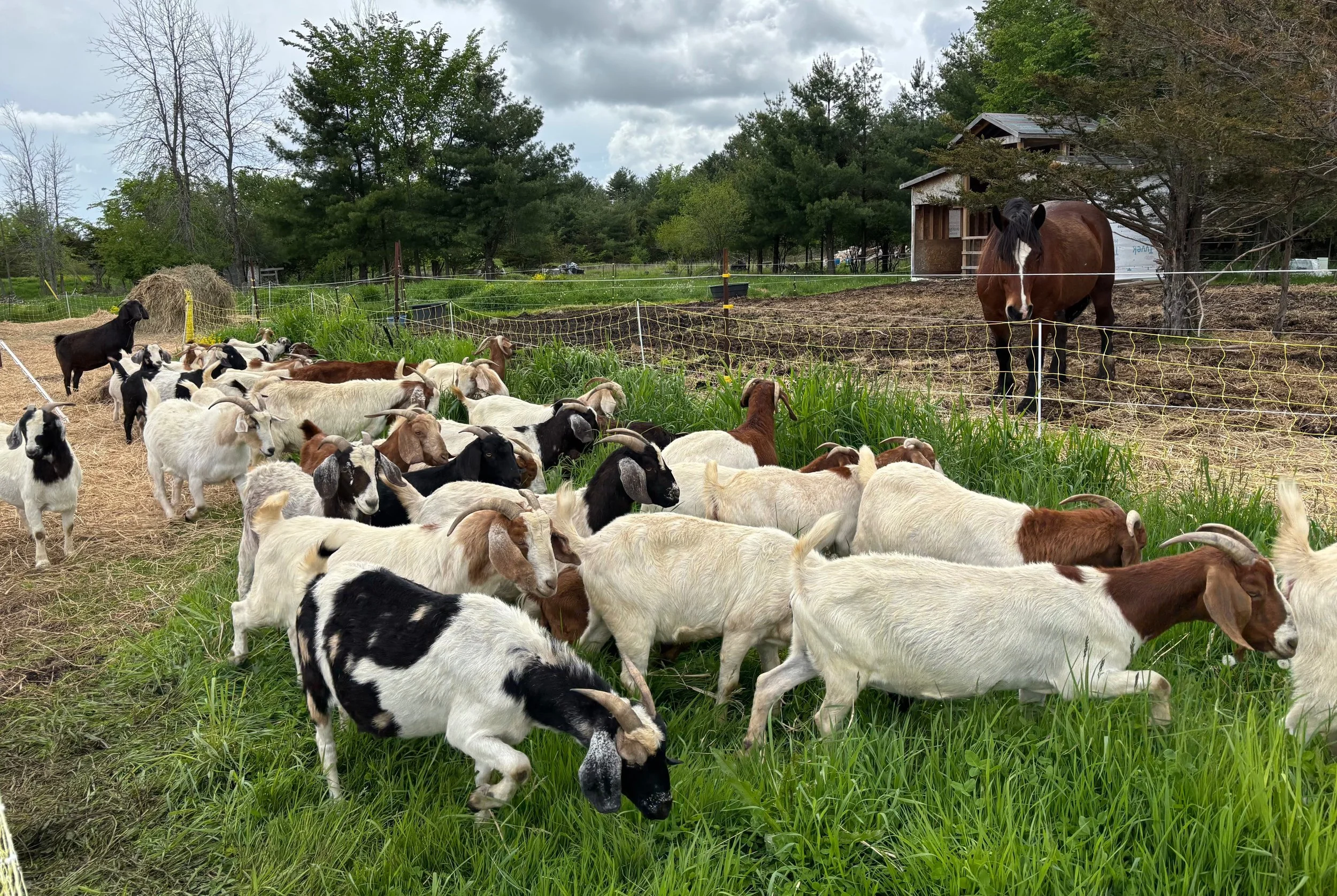
The farm is located in Newburgh, Ontario — a working property with over 60 goats, two horses, a cow named Cinnamon, and more animals than most people expect.
From the moment you arrive, it's different. There's something about being in that environment — the sounds, the space, the animals moving around you — that tends to do something to your nervous system before we've even started.
People often describe it as the first deep breath they've taken in a while.
That's not an accident. It's one of the reasons this setting works.
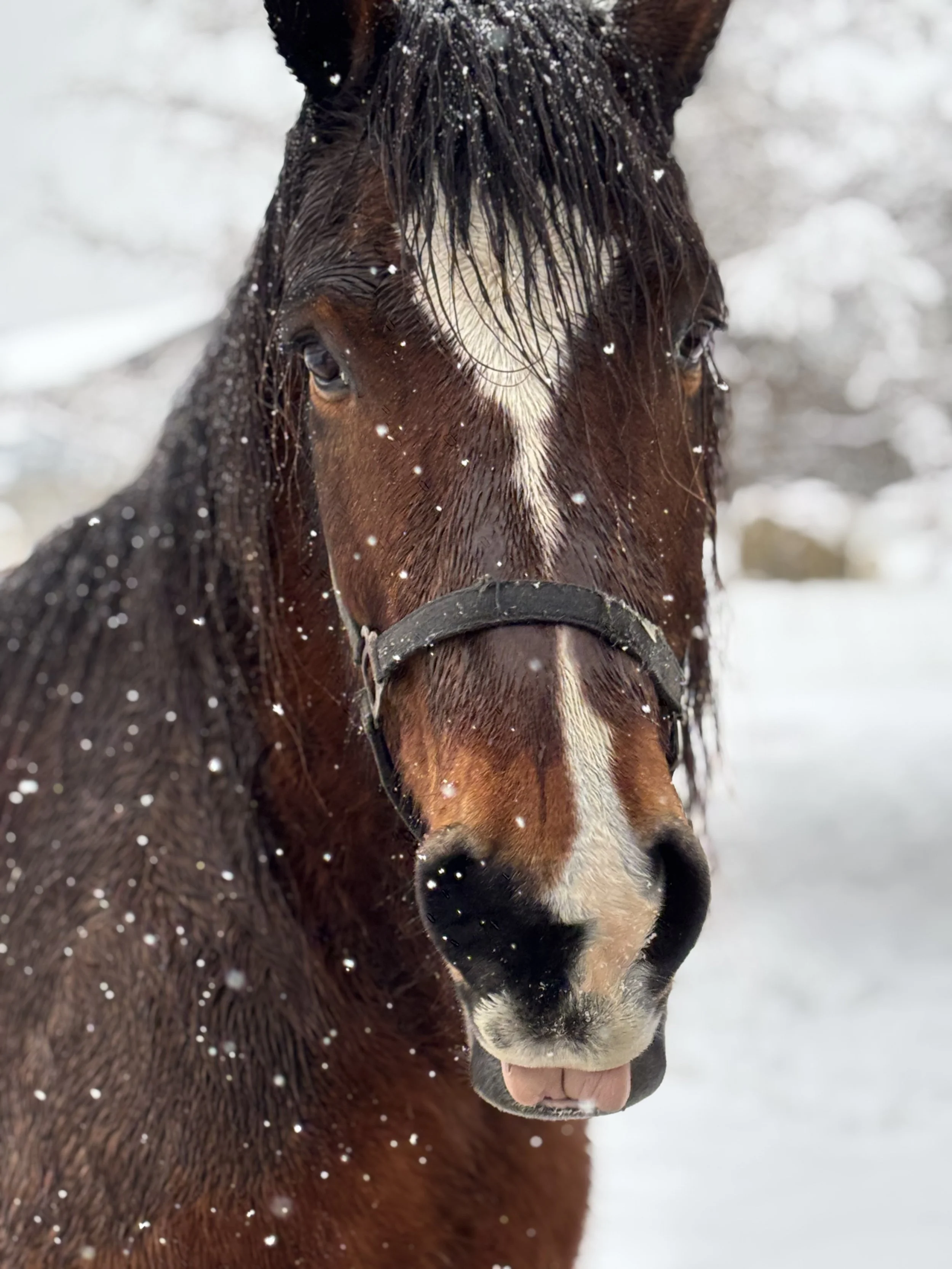
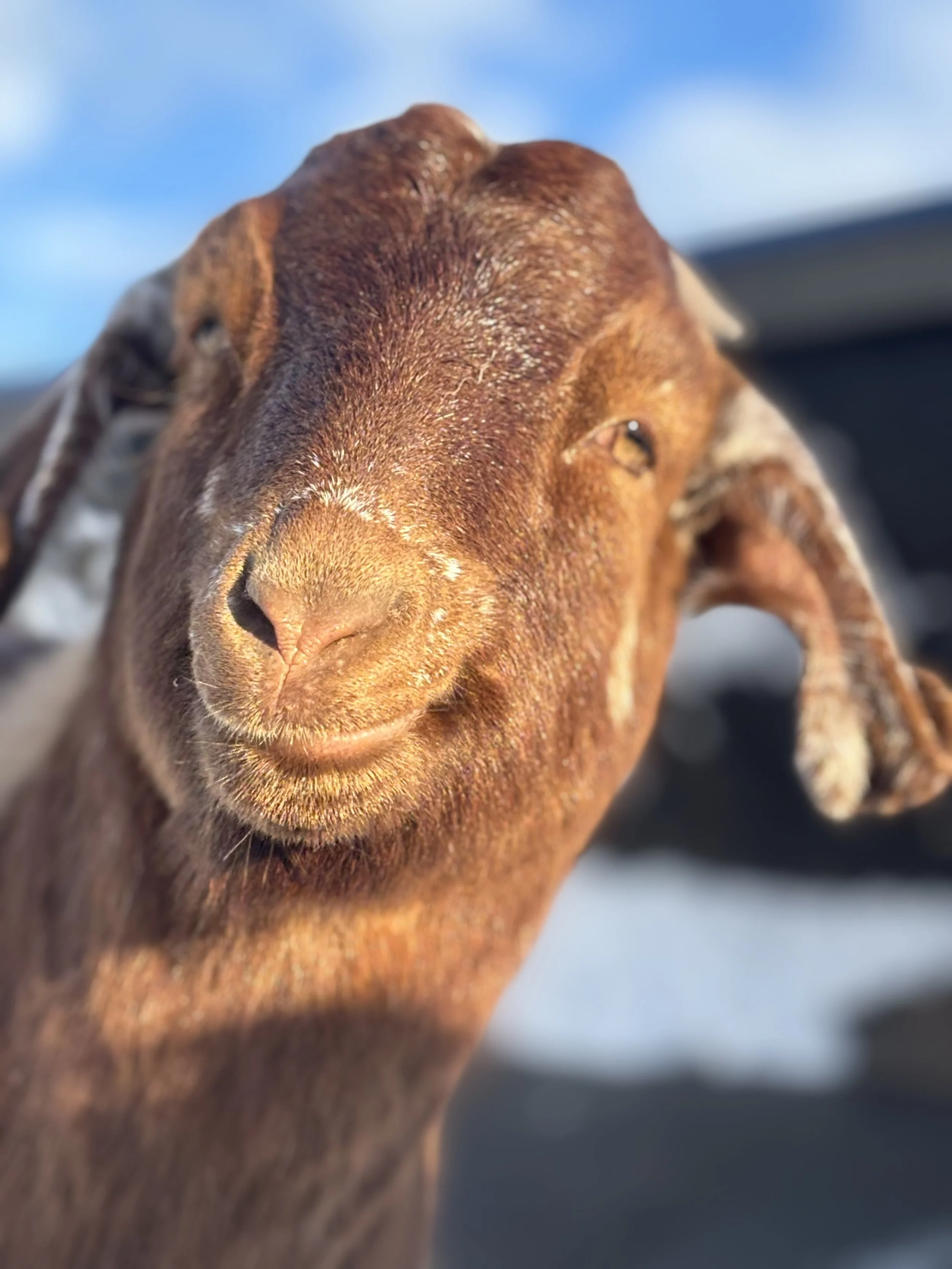
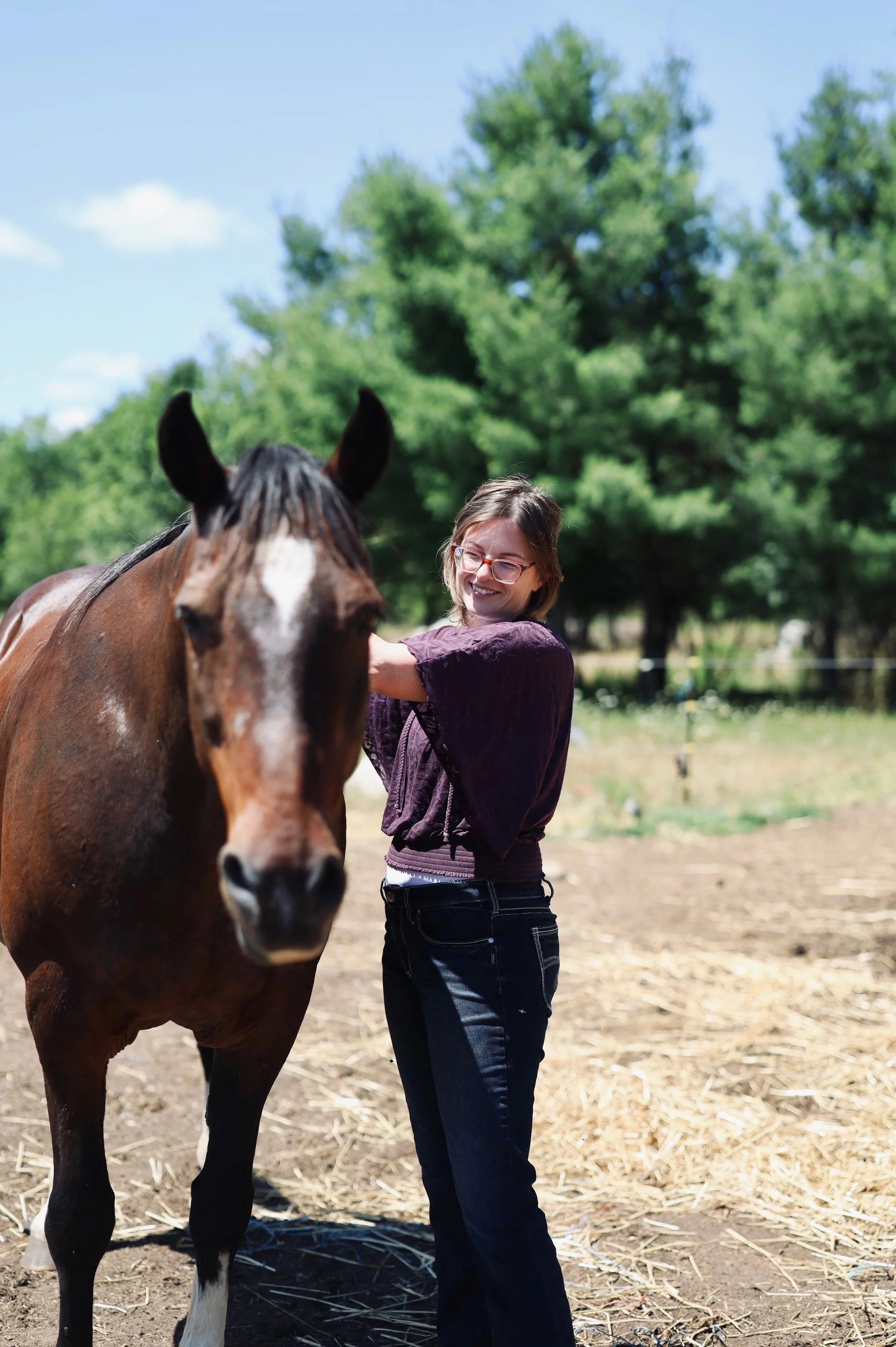
The goats will find you immediately. They're curious, affectionate, and completely unbothered by whatever you're carrying that day. The horses are different — quieter, more selective. Sometimes they come close. Sometimes they don't.
Both can tell you something, if you're paying attention. Sessions here aren't just about being outside.
They're about using the environment — the animals, the space, the slowing down — as part of the actual therapeutic work.
Sometimes an animal becomes a metaphor. Sometimes you need to hug a goat when things feel heavy. Both are valid.
What Animal Assisted Therapy Sessions Look Like
Sessions on the farm are adapted to your comfort level, needs, and capacity. Therapy may involve:
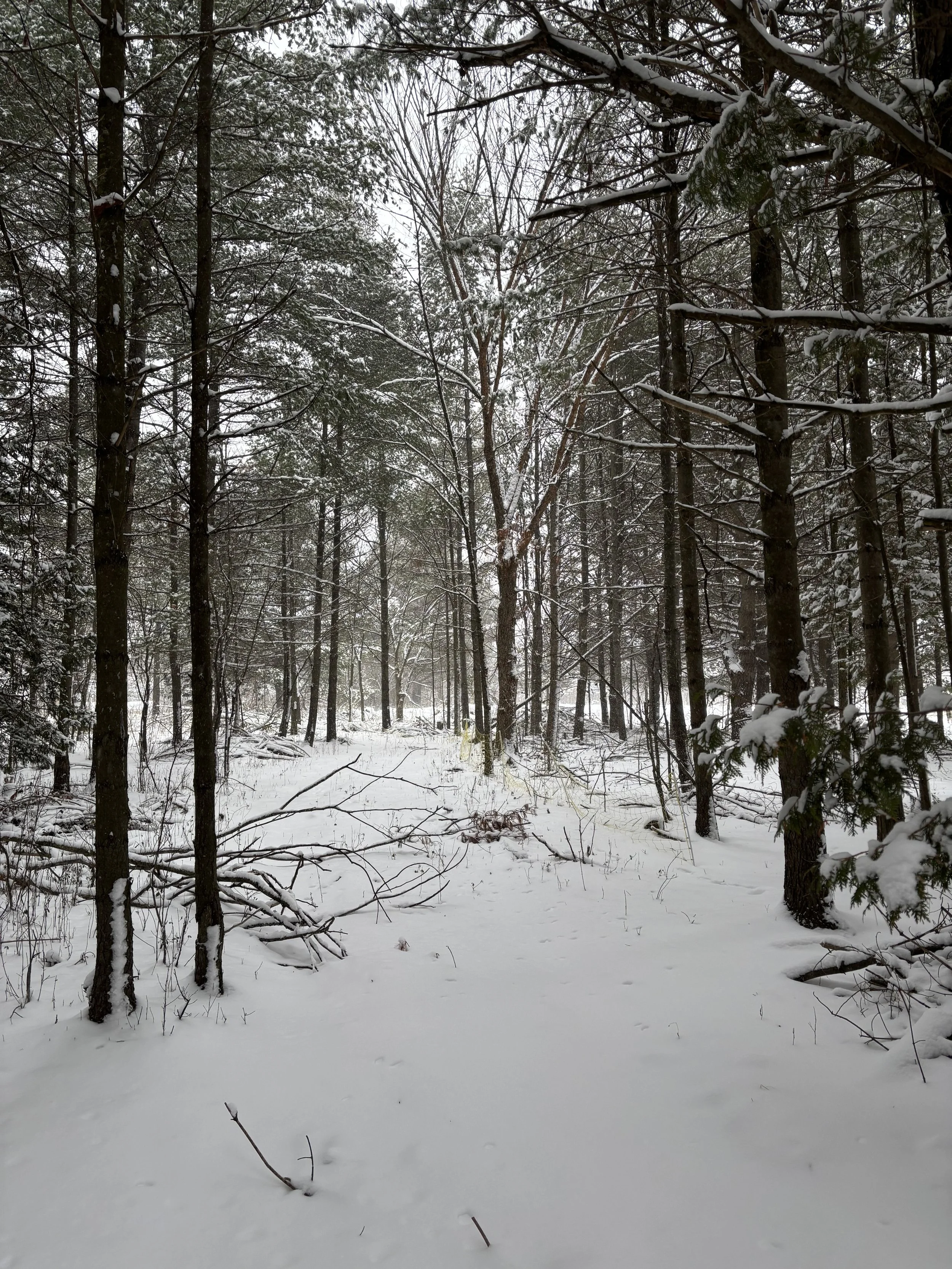
✓ Seated or walking sessions outdoors
✓ Traditional talk therapy in a natural setting
✓ Pausing to notice body sensations, emotions, or environmental cues
✓ Optional, gentle interaction with animals when appropriate
You remain in control of the pace and level of engagement at all times. There is no expectation to interact with animals, and therapy does not rely on animal contact to be effective.
What to Expect
In the first session, we’ll start by getting oriented to the space.
You’ll have the option to meet the animals and get a sense of the environment before we begin.
Sessions are slightly longer to allow time for both being in the space and doing the work without feeling rushed.
Once we move into the session, you can choose what feels most comfortable.
We might sit with the animals, stay near the horses, or find a quiet space in the field.
The structure of therapy stays the same.
I’ll guide the session, ask questions, and help you make sense of what’s happening just in a different setting.
If you’re looking for something different, this might be a good place to start.
How I Approach This Work
I’m a Registered Psychotherapist (Qualifying) and a Registered Practical Nurse.
My work is grounded in understanding stress and how it shows up in both your mind and your body.
Animals and nature aren’t the therapy, but they play an active role in the process.
They create an environment where your system can settle enough for the work to actually happen.
One of the things I focus on in farm sessions is helping you notice what slowing down actually feels like in your body — not as a concept, but as a real physical experience you can identify and return to.
A lot of people have been told to "just breathe" or "be present" without ever being shown what that actually feels like when it works. The farm environment makes it easier to access that state — and once you know what it feels like, you have something concrete to come back to when things get hard again.
I use evidence-based approaches, including:
Emotionally Focused Therapy
Nervous system-based work
Practical strategies to help you move forward
FAQ
About Animal Assisted Therapy
-
None at all. Most people who come have never spent time on a working farm. The animals — especially the goats — don't require any experience from you. They'll introduce themselves. The horses are a little more on their own terms, and that's part of what makes them interesting to work with. You don't need to do anything except show up.
-
It's still a therapy session — we're still doing real work together. The difference is the setting. We might sit with the goats, walk near the horses, or find a quiet spot in the field. Sometimes the animals become part of the conversation as a metaphor. Sometimes you just need to hold one when things feel heavy. The session is guided by what's most useful for you that day. Your first session includes time to get oriented to the space and meet the animals before we begin.
-
There are no physical requirements. That said, it is a working farm — the ground is uneven and can be muddy depending on the season. If you have mobility considerations, please mention it when you reach out and we'll talk through what's possible and what might need to be adapted. I want this to be accessible to as many people as it can be.
-
That's worth mentioning when you reach out. The goats are very forward — they will approach you, and that's part of what makes them effective in this setting. If you have a specific fear or concern around animals, let's talk about it before your first session so we can plan accordingly. The goal is for the environment to feel safe, not overwhelming.
Fees & Insurance
-
Sessions are $180. I provide receipts after every session that you can submit to your extended health plan for reimbursement — many plans in Ontario cover Registered Psychotherapy. I also offer direct billing to Green Shield Canada. It's worth checking with your provider to confirm your coverage before your first session.
Animal-integrated therapy is one way I work, alongside other approaches
.
You’re welcome to explore the full range of therapy services offered at Wandering Willow.
This work is grounded in my values around safety, consent, and nervous system regulation.
You’re welcome to learn more about my approach and background.
Have a question first?
If you’re not sure if this is the right fit, you can reach out here.
I’m happy to answer questions and help you figure out what would work best for you.