

Life Lessons on the Farm: Cinnamon’s Zoomies and the Power of Perspective
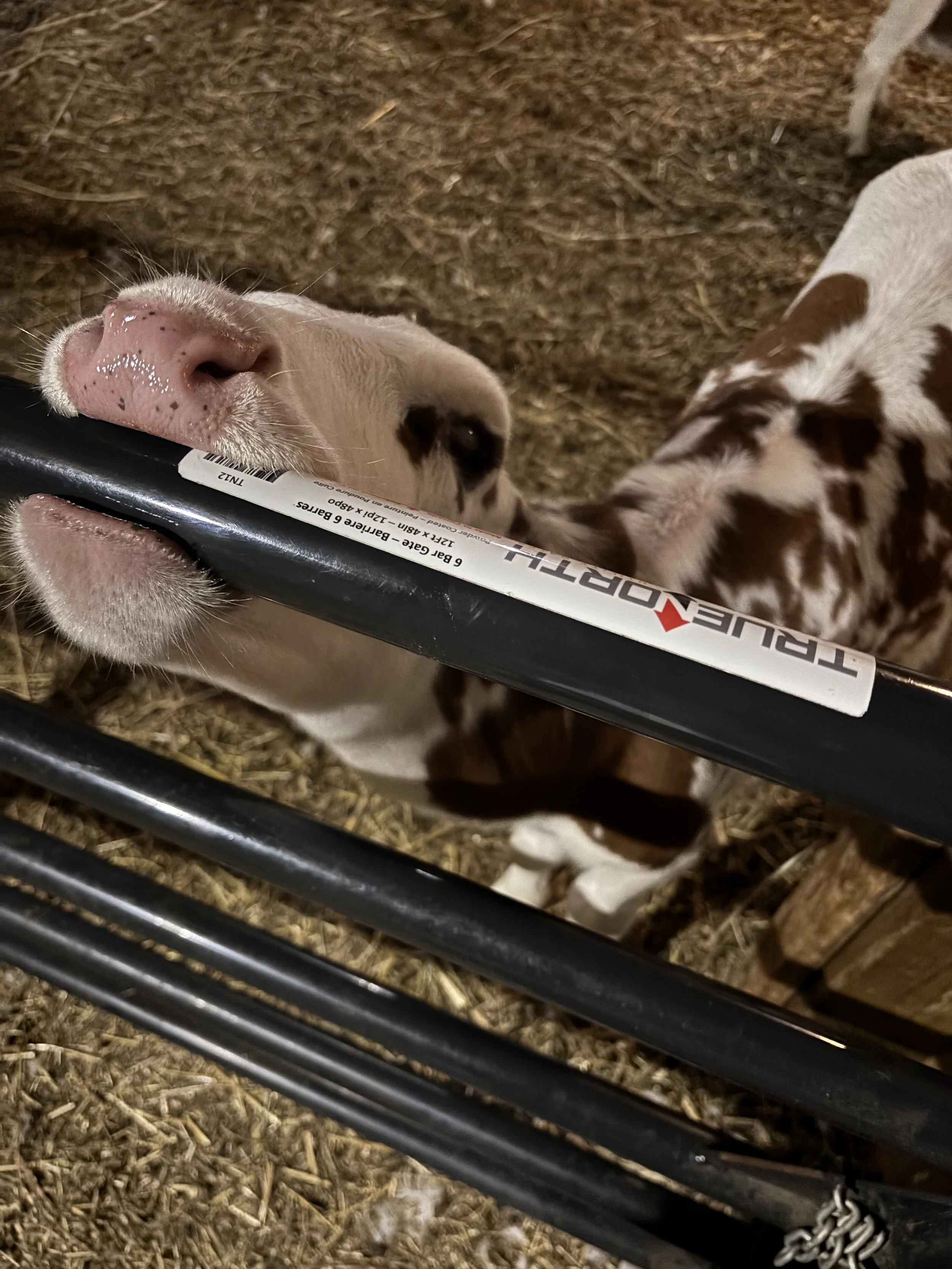
On the farm, lessons often show up in unexpected ways. One of my favourites comes from Cinnamon, our cow with a big personality and an even bigger heart.
The other day, Cinnamon broke into a full run across the pasture — cow zoomies! She was joyful, bouncing with excitement, thrilled to stretch her legs and feel her friends beside her. From her perspective, life couldn’t be better.
But here’s the funny part: her “friends” didn’t see it that way. The goats thought she was chasing them! They scattered, panicked, convinced they were running for their lives.
Same event. Two completely different experiences.
The Lesson: Perspective Shapes Reality
What we feel in any moment isn’t only about what’s happening. It’s about how we perceive what’s happening. Cinnamon felt joy. The others felt fear. Neither was “wrong,” but their experiences were worlds apart.
Humans are no different. In relationships, two people can experience the exact same situation and emerge with entirely different feelings. One person might see closeness, while the other might feel pressure. One might see playfulness; the other might hear criticism.
What does this mean for therapy?
In Emotion-Focused Therapy, we slow down these moments and get curious about the emotions underneath the surface reactions.
A partner who snaps may be covering up more profound feelings of hurt or fear.
Another partner who withdraws may be protecting themselves from shame or rejection.
Each is experiencing the “same moment” but through a different nervous system lens.
The work isn’t about deciding who’s right. It’s about creating a safe space to explore both perspectives and share the softer, primary emotions underneath. That’s often where couples reconnect — in the shared humanity beneath the protective behaviours.
When we do this, relationships soften. Misunderstandings shrink. And like Cinnamon’s zoomies, life feels lighter and more connected.
Why two people can experience the same moment so differently
It comes down to nervous system history. Each of us enters every interaction carrying our past experiences — what felt safe, what felt threatening, what love looked like, what danger sounded like. When Cinnamon ran toward the goats with joy, the goats' nervous systems didn't receive joy. They received "large animal moving fast toward me" — and responded accordingly.
Partners do this constantly. One person reaches for connection and the other feels pressure. One person goes quiet to process, and the other feels abandoned. Neither is wrong. Both are responding to something real in their own history.
This is why couples therapy isn't about deciding who is right. It's about understanding what each person's nervous system learned — and creating enough safety for both people to share what's underneath the reaction.
Takeaway
Next time you find yourself in conflict, ask:
“What might this look like from my partner’s perspective?”
“What softer emotion might be underneath their reaction?”
You may discover they’re not chasing you at all. They’re just having their own version of zoomies.
If you and your partner often feel like you’re ‘living through the same moment’ but having totally different experiences, you’re not alone. Therapy can help slow things down so both perspectives feel seen. Book a free consult to learn more.
If you and your partner often feel like you're living through the same moment but having completely different experiences, therapy can help slow things down so both perspectives feel seen. Your first session is just a conversation.
Learn more about couples therapy at Wandering Willow →
Related reading:
→ When Your Nervous System Is Dysregulated: The Hidden Symptoms Nobody Talks About
→ Couples therapy at Wandering Willow →"